

glass panels cut to size
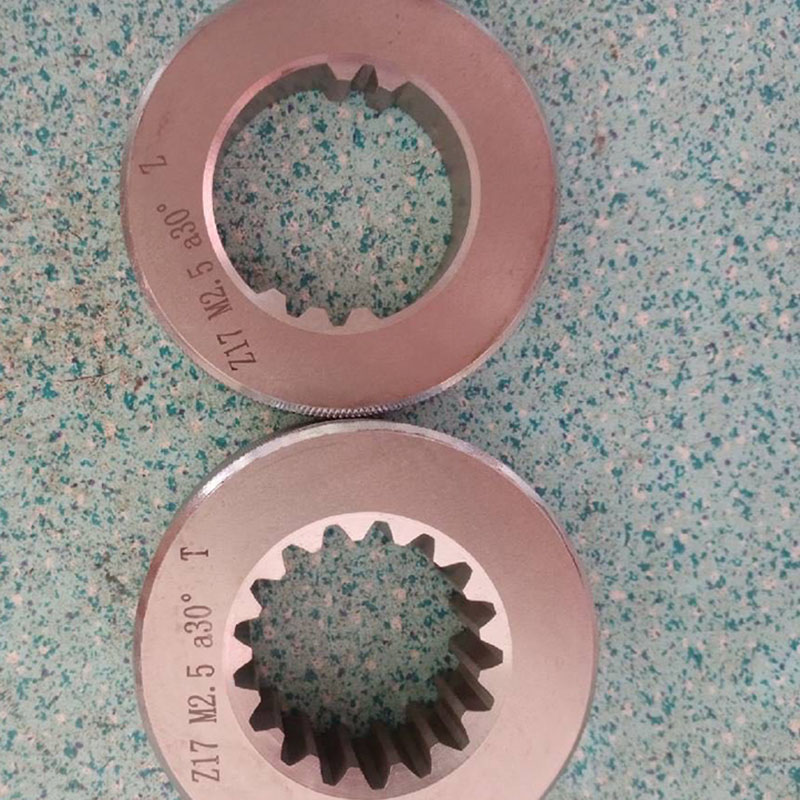
Understanding Spline Plug Gauges Essential Tools for Precision Engineering In the realm of precision engineering, the importance of accurate measurements cannot be overstated. One of the unsung heroes in this field is the spline plug gauge. These specialized tools are indispensable in ensuring that component parts fit together perfectly, promoting functionality and reliability in various applications across industries. What is a Spline Plug Gauge? A spline plug gauge is a precision measurement tool used to assess the dimensions and tolerances of spline holes in mechanical components. Spline holes, which are characterized by their unique geometries — typically defined by a series of grooves or teeth — facilitate torque transmission between shafts and other components. Ensuring that these spline profiles are manufactured to exact specifications is crucial, as even minor deviations can lead to performance issues, increased wear, or even complete system failure. Spline plug gauges are specifically designed to fit into these spline holes, allowing engineers and quality control inspectors to verify that the dimensions meet the required standards. They come in various shapes and configurations, tailored to the specific characteristics of the spline being measured. Types of Spline Plug Gauges There are primarily two types of spline plug gauges GO and NO-GO gauges. The GO gauge is used to determine if a spline hole is within acceptable limits — if it fits, then the part is considered acceptable . Conversely, the NO-GO gauge ensures that the part has not exceeded its maximum tolerance. If the NO-GO gauge fits, it indicates that the part is out of specification and requires further adjustment or re-manufacturing. spline plug gauge In addition to these standard types, spline plug gauges can also be customized for specific applications. This customization involves adjusting the size, shape, and tolerances of the gauge according to the particular spline profile being inspected. Such custom gauges can offer a higher level of precision and reliability, especially in industries where tolerances are extremely tight. Importance of Spline Plug Gauges The role of spline plug gauges extends far beyond mere measurement; they are crucial in maintaining quality control in manufacturing processes. By utilizing these gauges, manufacturers can 1. Ensure Compatibility Spline plug gauges help verify that components will fit together seamlessly, ensuring proper functionality. 2. Reduce Rework and Waste Early detection of measurement issues can help in the identification of faulty components before they proceed to assembly, thus minimizing rework and material waste. 3. Enhance Safety In applications where mechanical failures can lead to safety hazards, ensuring proper fit and function through rigorous testing with spline plug gauges is critical. 4. Improve Customer Satisfaction Delivering high-quality components that meet specifications leads to greater customer satisfaction and trust in a manufacturer’s capabilities. Conclusion In conclusion, spline plug gauges are essential instruments in the field of precision engineering. By ensuring that spline holes are manufactured to exact specifications, these gauges play a pivotal role in maintaining the integrity and functionality of mechanical systems. As industries continue to advance and demand higher precision, the relevance of spline plug gauges remains steadfast. Professionals in engineering, quality control, and manufacturing must recognize and implement these vital tools to foster reliability and excellence in their products. With the right spline plug gauges in hand, the path to precision is paved with certainty.
about
glass panels cut to size
The Significance of the 3/4 Water Valve in Everyday Life A 3/4 water valve is a seemingly small yet critically essential component in our daily lives. It might go unnoticed by many, but its function is vital to the efficient and controlled flow of water in various domestic and industrial applications. This seemingly insignificant part plays a significant role in ensuring the smooth operation of our plumbing systems, irrigation networks, and industrial processes. The 3/4 water valve, as the name suggests, refers to a valve that controls the flow of water through a pipe with a diameter of 3/4 inches. It is a standard size for residential water supply lines, often found in faucets, washing machines, and other water-using appliances. Its compact design allows it to fit easily into tight spaces, making it a practical choice for numerous installations. One of the primary functions of this valve is to regulate water flow. It can be opened or closed to start or stop the flow, or partially opened to control the volume of water passing through. The precision control it offers is particularly useful in situations where water conservation or precise flow regulation is necessary. For instance, in gardening, a 3/4 valve can be used to manage the irrigation system, ensuring plants receive just the right amount of water without waste. In households, the 3/4 water valve serves as a safety measure. In case of a leak or emergency, it can be swiftly shut off, preventing water damage and potential flooding In case of a leak or emergency, it can be swiftly shut off, preventing water damage and potential flooding In case of a leak or emergency, it can be swiftly shut off, preventing water damage and potential flooding In case of a leak or emergency, it can be swiftly shut off, preventing water damage and potential flooding 3/4 water valve . It's a first line of defense against plumbing issues, allowing homeowners to quickly isolate the problem area without disrupting the entire water supply. In industrial settings, these valves find extensive use due to their durability and ability to handle high pressure and flow rates. They are employed in cooling systems, chemical processing, and manufacturing plants, where they help maintain optimal operational efficiency and safety. Moreover, 3/4 water valves come in various types - gate, ball, butterfly, and more - each with its unique features and applications. Gate valves are ideal for on/off control, while ball valves offer quick shut-off and full flow. The choice depends on the specific needs, such as pressure ratings, temperature range, and the type of fluid being handled. In conclusion, the 3/4 water valve, though often unseen, is an indispensable part of our daily infrastructure. It is a testament to the power of engineering in creating simple solutions to complex problems. From the tap in our kitchen to the pipelines in factories, these valves ensure the reliable and controlled flow of water, underpinning the comfort and convenience we often take for granted. Understanding and appreciating their role helps us make informed decisions when it comes to maintenance, repair, and upgrades, ultimately contributing to a more efficient and sustainable water management system.
-

High quality industrial productsagement

High quality industrial products
View Details -

Meet the diverse needs of customers

Meet the diverse needs of customers
View Details -

Strict quality control

Strict quality control
View Details -

Top raw materials

Top raw materials
View Details -

Trusted supplier

Trusted supplier
View Details
Our application



news and information
Various Types and Applications of Micrometers in Precision Measurement
Types of Micrometers Precision Tools for Measurement Micrometers are precision measurement instrumen

Vendita di gauge a spina di alta qualità disponibile online
Misuratori a Pugno in Vendita La Scelta Ideale per Ogni Professionista I misuratori a pugno, noti an

Versatile Granite Angle Plate for Precision Machining and Workholding Solutions
Understanding Granite Angle Plates A Key Tool for Precision Measurement In the realm of manufacturin
 English